
A Conversation About Surge Protection
By Peter Jackson, Senior Surge Protection Engineer, KENICK, Inc. A collection of questions and suggestions to help prevent, investigate, and resolve transient surge issues.
Overview
With over 33 years of experience solving customer problems, we have developed this “collage” of questions and suggestions to assist you in preventing, investigating, and resolving transient surge issues.
What is a transient surge?
It is a brief spike in the incoming power voltage waveform.
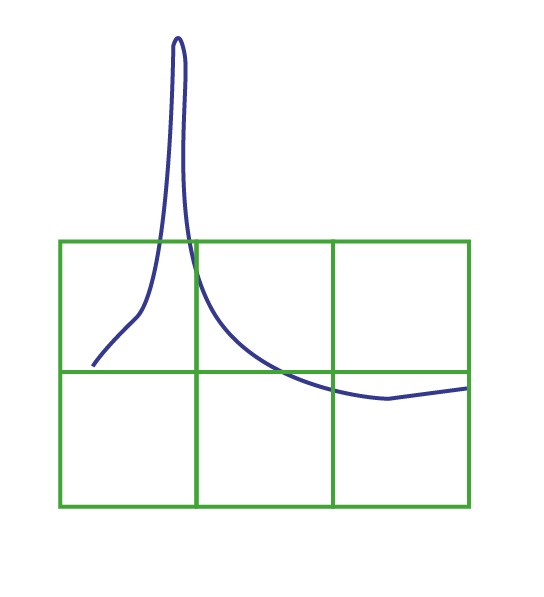
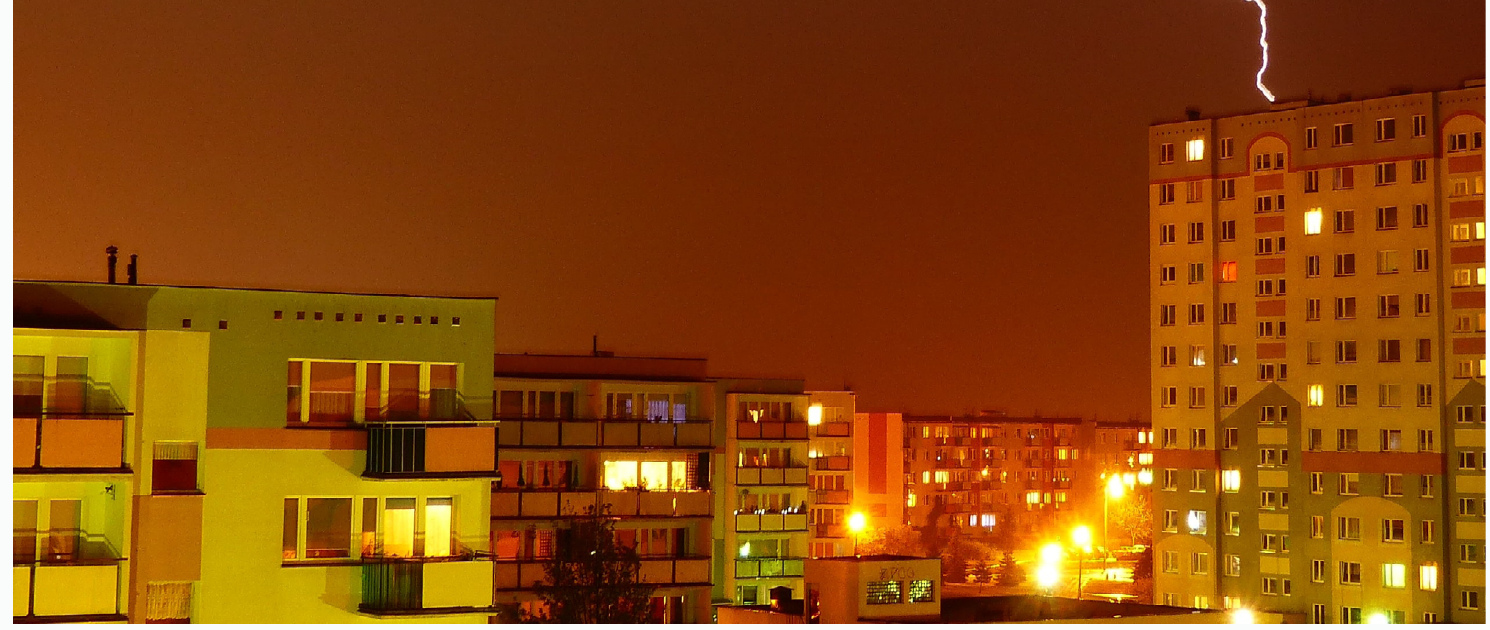
Most folks equate thunder and lightning as the primary cause of transient surges, but many are also created inside a home or business when motors or pumps switch on and off. Do all surges cause damage? No, but they can wear away at internal circuits and shorten the life of an appliance or electronic device.
Do you want to take measures to minimize the future risk of transient surge damage?
One would think that most folks would say “absolutely”! However, based upon our experience, most folks wait until after they have experienced transient surge damage before taking action. Over the years, we have found that a small investment in a carefully placed surge protector (or protectors) can significantly reduce the risk of future damage to your appliances and sensitive electronics.
If surge damage… What happened, when did it happen and what was the cost of repairs?
We call this “detective work… kind of like ‘Joe Friday’, the lead detective on a vintage crime show”. Our goal is to figure out what happened and, if possible, to tie the damage incident to a thunderstorm passing through the area. This helps us determine if the damage was a transient surge.
The cost of repairs is an important factor when considering steps to reduce future damage. Unfortunately, many “decision-makers” won’t approve an expenditure for surge protection unless you can correlate the potential cost of making repairs versus the small investment in surge protection.
Is your electrical service “single phase”?
This is important to know the supply voltage to your home or business when figuring out how to best protect.
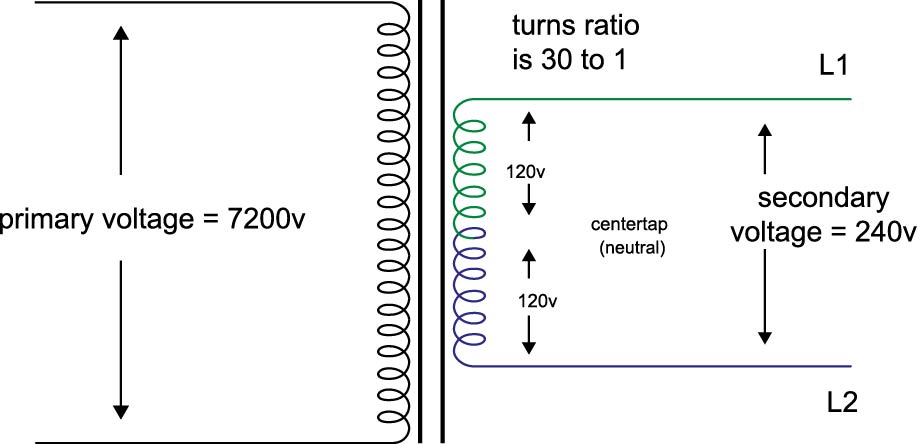
Most residential homes and many small commercial facilities are single phase 120/240 volt. What does this mean? It has two energized 120 volt conductors and a neutral.
The true designation for single phase electrical service is “split phase” because it is created by splitting the secondary winding of the utility supply transformer and putting a “Neutral” connection at the middle of the split.
Here are some thoughts and ideas to help you learn more about surges and the proper application of surge protection.
What type of business do you have?
Years ago, we could quickly sort through different business types and advise many folks that “you are at risk or… you are not at risk for surge damage”. With the increased use of microprocessors to do just about any day-to-day activity, everyone is at risk.
Have you experienced electrical surge damage?
If you live in Florida or the southeast, the chances that you have experienced surge damage are much greater than in other areas of the country. Why? Because much of the southeast has 80 to 100 “thunder days” per year. What is a thunder day? It is a day when you hear thunder from an approaching or passing storm. The more days that thunder passes through, the more days that lightning has also passed through with the thunder.
That being said, if you haven’t had surge damage, congratulations! Should you still consider at least basic surge protection? Yes.
Is your electrical service “three phase”?
Many medium to large customers are served by three phase. What does this mean? The supply to the facility is via three energized conductors. Engineers apparently did not consult with a marketing firm as they named the phases… A, B, and C!
To make matters more challenging, engineers have also created several different three phase voltage configurations. These include:
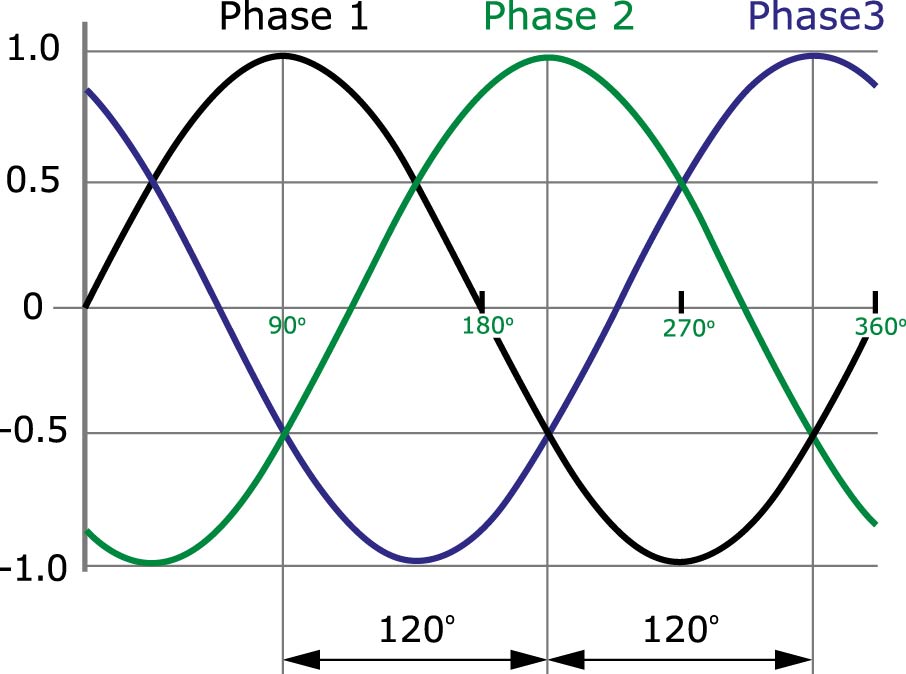
120/208 Wye: Perhaps the most common and balanced voltage, this voltage configuration is used for apartment complexes, condominiums or office buildings. Each of the three energized conductors measures 120 volts from phase to neutral and 208 volts phase to phase.
120/240 Delta: This service voltage is often for facilities that need the full “240 volt” power supply option. This includes small manufacturing facilities and machine shops. Two of the phases are 120 volts (phase to neutral) and the third phase is 208 volts. The phase-to-phase voltage for all three phases are 240 volts.
277/480 Wye: This service voltage is used for large warehouse facilities. Each phase is 277 volts (phase to neutral) and 480 volts phase to phase. Higher voltage allows more power to be sent through smaller wires.
Once you figure out what the supply voltage is to your facility, you will be able to figure out if and what you need regarding additional surge protection. Have a licensed electrical contractor verify supply voltages before you order a surge protector.
Do you have surge protectors installed?
Many electric utilities offer a meter base surge protector that plugs in directly behind the electric meter. This is the absolute best location for a surge protector since it captures the surge “outside” and sends it to earth ground before it can enter your home or business.
If you don’t have a meter base surge protector, take a look at your main electrical panel that serves your home or business. You can usually tell if a surge protector is installed. It is typically a grey “box” attached through a hole in the side of your electrical panel. Most surge protectors have an indicator light to let you know that it is working. If you find a surge protector and the light is off, it needs to be replaced. If the light is on, then it is more than likely still working.
Some residential homes may have a “circuit breaker” style surge protector. This has surge protection elements installed within the space of a double circuit breaker. Most have “surge protector” labels on them, and hopefully an indicator light that is “on”. This should be considered “good” but not as good as the meter base surge protector.
Where should you install surge protectors?
- At the electric meter (if available).
- At your main electrical panel (if meter base option is not available).
- At sub-panels that provide power to sensitive electronics.
- At electrical disconnects for outside air conditioners.
- At the circuit breaker supplying power to an outside well.
- At the circuit breaker supplying power to outdoor lighting.
- At the circuit breaker supplying power to a remote garage or building.
What about “plug-in” devices? Do they need surge protection?
Our simple answer… yes! Any device that contains microprocessors should have a plug-in surge protector installed.
Plug-in surge protectors capture residual transient surge energy that might sneak past panel-mounted surge protectors. It is also recommended that you select a plug-in surge protector with additional protection modules for cable or phone lines, which can be a source of transient surges.
Do you have battery back-ups to maintain power to critical equipment during momentary power interruptions?
“Back in the day,” people installed battery back-ups for their desktop computers. These kept the computer operating through momentary power interruptions and provided time for orderly shut-down during extended outages.
Where a battery back-up can prove quite valuable in maintaining desktop computer operations, we have discovered an additional device that needs a battery back-up. What is this device? It is a large screen “smart” TV!
Smart TVs are not just “TVs”, but instead should be considered a “computer” when it comes to the need for surge protection and a battery back-up. Like a computer, smart TVs go through a carefully programmed shut-down procedure and many do not like momentary power interruptions (“blinks”).
There are many companies that provide battery back-up devices for home and business computers. Simply match the size of the battery back-up to the power consumption on the TV label.
What if I have more than one building on my property? Am I at risk?
The best answer that we can give is “it depends”. Here are some things to consider.
- Does the remote building have its own electrical service (meter/panel)? This is good.
- Is the remote building powered from your home? If yes, add a hard-wire surge protector at the house panel serving the remote building and at the remote building.
- Do you have data and/or communication lines between buildings? Consider data-line surge protection on both ends of the data/communication line.
What else is “good to know” regarding the need for surge protection?
- Protect elevator systems by installing a surge protector at the elevator disconnect in the elevator room.
- Ground chain-link fences at the corners and every two or three spans to help suppress transient surge energy that might energize metal fencing.
- Check soil around your electric meter to make sure it is not continuously damp or swampy.
- Check lighting around flag poles and install a surge protector on the breaker that provides power to the flag-pole light.
- Look for other tall structures on your property and evaluate surge protection options. These include satellite dishes (protect coaxial lines) and radio/antenna towers (protect coax).
- If located near a swamp or wetland, consider that lightning may be attracted to trees and other structures near wetlands. Tall trees next to your home can catch lightning strikes.
There are many ways for transient surge energy to damage appliances and sensitive electronics. Following the above suggestions will go far in reducing the risk of future damage.
Questions?
Feel free to reach us if you have questions about this article or need help with surge protection.
Email: Solutions@Kenick.com
Phone: 800-362-9997