
Surge Protection for Home Generators
Why surge protection is important when installing a home generator, including protection from surges created by the generator's transfer switch and protection for sensitive home electronics.
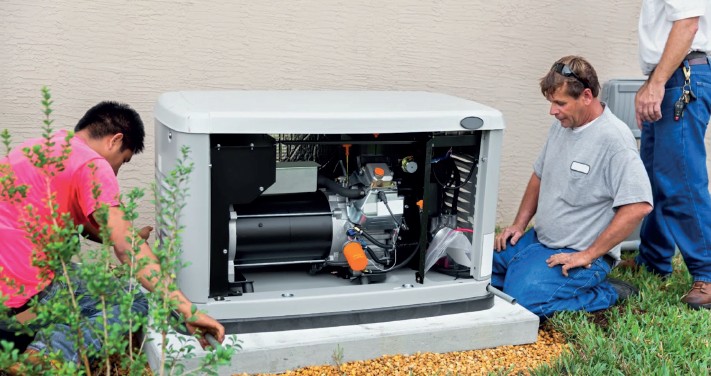
A home generator is an important investment that can provide you with peace of mind and keep your home running smoothly when the grid goes down. But did you know that when the generator turns on, its transfer switch can also create power surges that can damage your home’s electrical equipment? This article explores why surge protection is essential when installing a home generator.
What Is Surge Protection?
A power surge is a sudden increase in voltage that can damage electrical equipment. Power surges can occur for a variety of reasons, including lightning strikes, power grid fluctuations, and power outages. Surge protectors are devices that are designed to limit the voltage that reaches your appliances and electronics, protecting them from damage. Surge protectors work by diverting excess voltage to the ground, preventing it from reaching your devices.
Why Do You Need Surge Protection for a Home Generator?
When you install a home generator, you’re essentially creating your own power grid. This means that the generator can create power surges that can damage your home’s electrical equipment. Generators can produce voltage spikes when they start up or shut down, or when they experience fluctuations in demand. This can cause damage to sensitive electronics such as computers, TVs, and appliances.
Generators are also exposed to surge damage to their own controls while they are in standby waiting for an outage. The controls and battery charger are directly connected to your home electrical service.
Types of Surge Protection Devices
There are several types of surge protection devices available for home generators. The most common types include:
- Whole-house surge protectors: These devices are installed at your home’s main electrical panel and protect your entire home from power surges.
- Individual surge protectors: These devices are designed to protect specific items, such as computers or TVs, from power surges.
How to Install Surge Protection for a Home Generator
To install surge protection for a home generator, it’s best to hire a professional electrician. The electrician can help you select the right type of surge protector for your home and ensure that all electrical components are properly grounded. The installation process may include:
- Installing a whole-house surge protector at your home’s main electrical panel.
- Installing individual surge protectors for specific devices.
- Ensuring that the generator is properly grounded to prevent electrical shocks.
Your utility may also have a surge protection program where they can install a meter base surge protector right behind your electric meter.
Conclusion
Surge protection is essential when installing a home generator. Without surge protection, your home’s electrical equipment is at risk of damage from power surges created by the generator. By installing surge protection devices, you can protect your electronics and ensure the longevity of your generator. If you’re considering installing a home generator, be sure to consult with a professional electrician to ensure that you have the proper surge protection in place.
About KENICK, Inc.
KENICK, Inc. has been providing surge protection products and solutions to the electric utility industry since 1989. Their manufacturing facility includes a state-of-the-art research laboratory, allowing them to test surge protection products to see how they respond to small, medium, large and “oh my gosh… what was that!!” transient surge events.
Questions?
Please contact Tracy Horrell if you have questions about this article or a particular issue that you need help with.
Email: Solutions@kenick.com