
Understanding the Value of Plug-In Surge Protectors
Why plug-in surge protection is an important second layer of defense for sensitive electronics in homes and businesses.
Utility meter base surge protection programs offer a unique opportunity for their customers to protect their homes and appliances from surge damage. The location and design of the meter base protector allows it to easily capture and send the brunt of transient surge energy to earth ground outside before it can enter the home and cause stress/potential damage.
We often use a visual description of how the meter base surge protector works.
“Picture an electrical surge or spike as being 10 feet tall as it enters your home. The meter base surge protector captures the surge and sends it to earth ground before it can enter the home. The remaining small surge (less than 2 feet tall… called ‘let through voltage’) is not strong enough to cause stress or damage to appliances and electronics.”
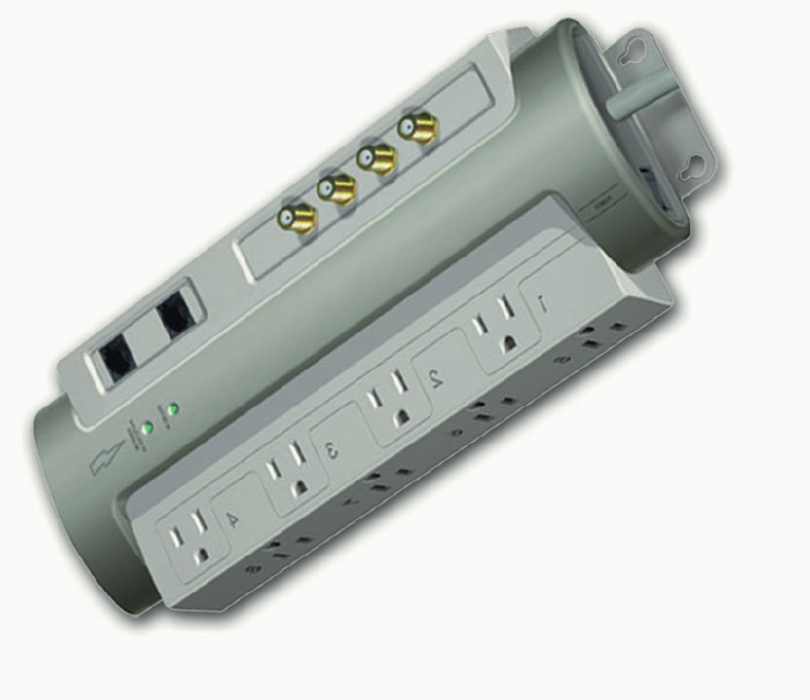
So, What About Plug-In Surge Protectors? Are They Needed?
Our simple answer is… “Yes!”. Here’s why.
A plug-in surge protector will help further “knock down” the “less than two feet tall” surge to a level where it can’t hurt sensitive electronics connected to the plug-in. Here is some additional background as you consider plug-ins for your home.
Utility-Grade Versus Retail Plug-In Surge Protectors
Many years ago, electric utilities included a plug-in surge protector as part of their standard surge protection package. The plug-in device was included due to marginal UL (Underwriters Laboratory) test standards which allowed low-performing plug-in devices to be sold to customers through retail stores. These devices only had to pass a 500 Amp UL test to be certified.
“Utility grade” plug-in surge protectors offered as part of the utility surge protection “package” were designed to handle 6 times the surge energy (3000 Amps) than locally available devices. This performance difference justified these plug-in devices.
As the surge protection industry grew, Underwriters Laboratory started realizing the need for a stronger retail plug-in surge protector and revised its test standards to require that all plug-in surge protectors be able to pass the 3000 Amp test standard.
Customers have benefited from an expanded number of product options that pass the higher test but have found it difficult to decipher performance ratings of different plug-in products.
Protecting More Than the Electrical Power Feed
There is one more important fact that supports the need for plug-in surge protectors. Where most people understand how a surge or spike can enter via the electrical power feed to the home, a surge can also enter via the telephone and/or cable line(s).
For maximum protection, you should choose a plug-in surge protector that has additional phone and cable protection modules. When connected, you will have created a “wall of protection” around your sensitive electronics.
KENICK, Inc. offers a range of plug-in surge protectors that pass the 3000 Amp test with “flying colors” (not flying parts/pieces…). We offer a website www.spikestop.com to assist utility customers in selecting a plug-in surge protector for their high-value sensitive electronics.
Once connected, you will have created a “wall of protection” from transient surge around your sensitive electronics.
About KENICK, Inc.
KENICK, Inc. has been providing surge protection products and solutions to the electric utility industry since 1989. Their manufacturing facility includes a state-of-the-art research laboratory, allowing them to test surge protection products to see how they respond to small, medium, large and “oh my gosh… what was that!!” transient surge events.
Questions?
Feel free to reach us if you have questions about this article or need help selecting surge protection.
Email: Solutions@Kenick.com
Phone: 800-362-9997